Safety Features to Include in Concrete Walks and Steps
People searching for concrete walks and steps installation often want safety features to prevent slips and falls, which local contractors can incorporate during installation.
If you’re considering improvements to your outdoor space, understanding the safety features to include in concrete walks and steps is essential for creating a secure and accessible environment. Property owners in the area often explore this topic to prevent accidents, enhance curb appeal, and ensure compliance with local safety standards. Incorporating thoughtful design elements-such as textured surfaces, proper lighting, and adequate slope grading-can make a significant difference in reducing slip-and-fall hazards and improving overall usability. Local contractors experienced in concrete walk and step installation can help identify the most effective safety features tailored to specific property needs, ensuring that your outdoor pathways are both functional and safe.
Exploring safety features for concrete walks and steps is a practical step for property owners who want to protect visitors and residents alike. Whether for residential or commercial properties, adding features like contrasting color edges, handrails, and non-slip finishes can provide added stability and visibility. These enhancements not only promote safety but also contribute to a polished, professional look for outdoor spaces. Service providers in the area specialize in installing these safety features as part of their concrete walk and step projects, helping property owners create outdoor environments that are both attractive and secure.
- Concrete walks and steps installation services are essential when designing surfaces that require slip-resistant features to prevent accidents. Local contractors can incorporate textured finishes or non-slip coatings to enhance safety in high-traffic or outdoor areas. When planning for accessibility, experts can add ramps, tactile indicators, or beveled edges to improve safety for all users. For properties needing extra stability, pros can install reinforced concrete with proper drainage to reduce pooling and slipping hazards. These safety features are often integrated during installation by experienced service providers to ensure long-lasting protection.

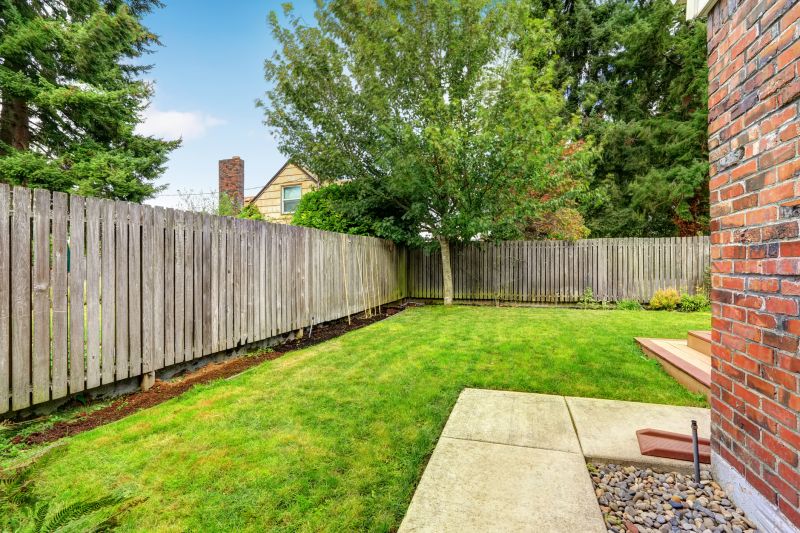
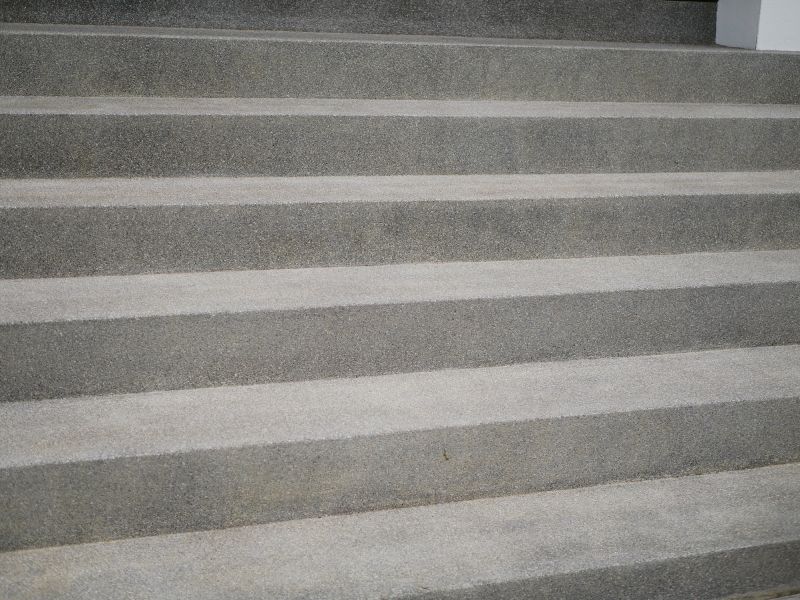
When homeowners search for safety features to include in concrete walks and steps, they are typically looking for ways to make outdoor surfaces safer for everyone who uses them. This often relates to preventing slips, trips, and falls, especially in areas that might be exposed to moisture, ice, or uneven terrain. Many property owners are planning new installations or renovating existing concrete features and want to ensure the design incorporates elements that reduce hazards. These safety considerations are especially relevant for properties with high foot traffic, homes with elderly residents or children, and locations that experience seasonal weather challenges, such as snow and rain, which can increase the risk of accidents.
The kinds of problems that safety features aim to address include uneven surfaces, slick patches, and inadequate lighting or visibility. For example, cracks or irregularities in concrete walks can cause tripping hazards, while smooth, polished surfaces may become slippery when wet. Proper safety planning involves selecting materials and finishes that provide traction, installing features such as textured surfaces or slip-resistant coatings, and ensuring adequate lighting along the pathways. Many property owners also consider adding handrails or edge markings to improve stability and visibility. These plans are often part of larger outdoor renovation projects or new construction efforts, where safety is a key priority to prevent future accidents and liability issues.
Properties that typically come up in discussions about safety features for concrete walks and steps include residential homes, especially those with children, seniors, or individuals with mobility challenges. Commercial properties like apartment complexes, shopping centers, and public parks also frequently require safety-focused designs to accommodate diverse users. Additionally, properties in regions with harsh weather conditions often prioritize safety features such as heated or textured surfaces to prevent ice buildup and slips. In each case, the goal is to create outdoor spaces that are both functional and safe, reducing the likelihood of accidents and making the area accessible for everyone.
Local contractors who specialize in concrete walks and steps installation play a vital role in implementing these safety features effectively. They can advise on the best materials, finishes, and design elements that enhance safety without compromising durability or aesthetics. These professionals understand how to incorporate textured surfaces, slip-resistant additives, and proper drainage to minimize hazards. They also ensure that safety features are integrated seamlessly into the overall project, whether it’s a residential pathway or a commercial walkway. Connecting with experienced service providers helps property owners achieve safe, long-lasting concrete features that meet their specific needs and comply with relevant safety standards.
Sidewalk Repair Projects - these projects often require attention to safety features in concrete walks and steps to ensure accessibility and prevent hazards, making them relevant for local contractors specializing in pedestrian pathways.
Outdoor Staircase Installations - installing safe and durable steps involves planning for slip-resistant surfaces and proper riser heights, aligning with safety features to include in concrete steps.
Patio and Porch Construction - designing and building patios or porches with safety in mind can involve incorporating non-slip finishes and secure handrails, paralleling safety considerations in walkways and steps.
Driveway Paving Projects - driveway paving often includes creating level, slip-resistant surfaces that prevent accidents, similar to safety features in concrete walkways and steps.
Landscape Pathway Design - designing pathways through gardens or yards requires planning for safe, even surfaces and proper lighting, which are related to safety features in concrete walk and step installations.
Accessible Ramp Construction - building ramps with safety features such as textured surfaces and appropriate slopes ensures accessibility and safety, connecting to safety considerations in concrete walkways and steps.
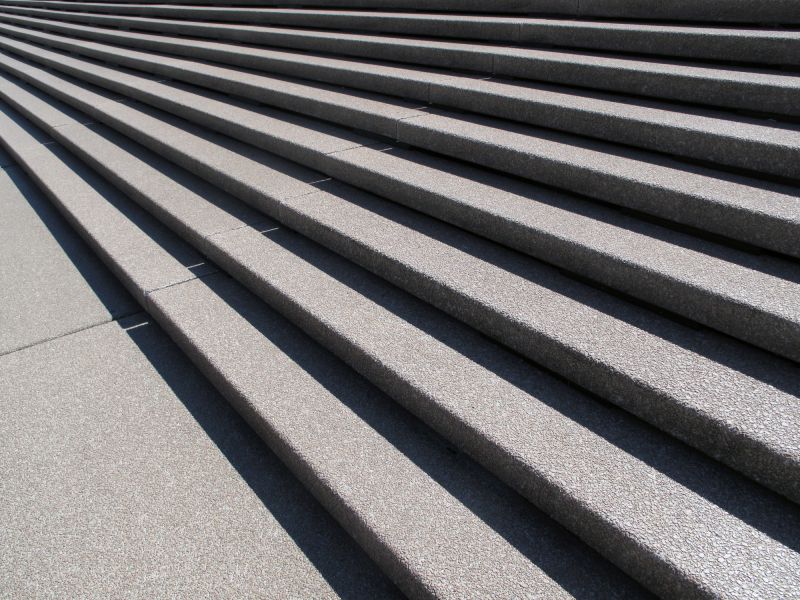
When comparing local contractors for concrete walks and steps installation, it’s important to consider their experience with similar projects, especially those involving safety features to include in concrete walks and steps. A contractor’s familiarity with installing features such as slip-resistant surfaces, proper drainage, and tactile warnings can impact the overall safety and durability of the finished work. Homeowners should inquire about the types of projects the contractor has completed in the past and seek examples or references that demonstrate their ability to incorporate safety considerations effectively into concrete walkways and steps.
Clear written expectations are essential when evaluating different service providers. A reputable contractor should be able to provide detailed descriptions of the work scope, including specific safety features to include in concrete walks and steps. This clarity helps ensure that both parties have a shared understanding of the project goals, materials, and safety standards. Homeowners are encouraged to ask for written proposals or estimates that outline the safety features planned for the project, which can serve as a reference point throughout the installation process.
Reputable references and good communication are key indicators of a reliable service provider. Contractors with positive feedback from previous clients often demonstrate a commitment to quality and safety. When considering local contractors, it is worthwhile to ask for contact information for past customers who can speak to their experience with safety features and overall project management. Additionally, effective communication throughout the project-such as responsiveness to questions and clarity about safety considerations-can help ensure that safety features to include in concrete walks and steps are properly understood and implemented, leading to a successful outcome.
Property owners often search for safety features to include in concrete walks and steps when they are planning practical projects around their homes and businesses. Local pros provide Concrete Walks and Steps Installation services for everyday jobs and straightforward project options.
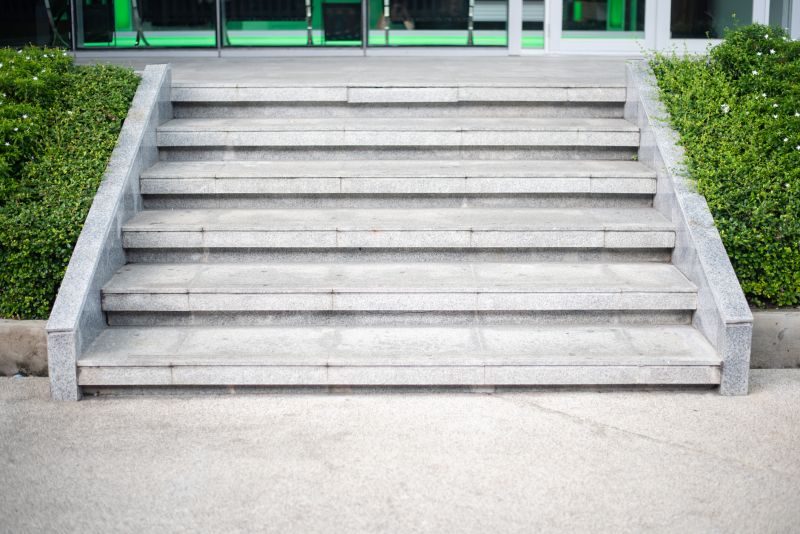
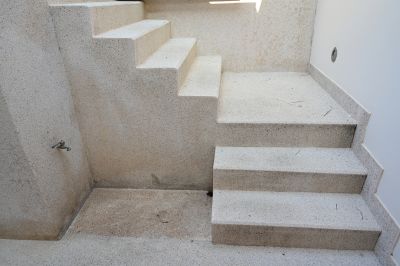
When planning concrete walks and steps around a property, property owners often consider safety features to include in concrete walks and steps to prevent accidents and enhance accessibility. Features such as slip-resistant surfaces, proper lighting, and smooth, even finishes are essential for everyday safety, especially in areas prone to moisture or ice. Local contractors experienced in concrete installation can advise on and incorporate these safety elements during the construction process, ensuring that walkways and steps are both functional and secure for all users.
In addition to slip resistance and even surfaces, thoughtful design choices like contrasting colors for edges and tactile indicators can improve visibility and accessibility for individuals with visual impairments. Properly graded slopes and sturdy handrails also contribute to safer movement along steps and walkways. Property owners in the area seeking to improve safety might look into concrete walks and steps installation services offered by local service providers, who can help incorporate these safety features effectively while ensuring the durability and quality of the finished project.
What safety features should be included in concrete walks and steps? Features such as textured surfaces for slip resistance, proper lighting, and handrails can improve safety. Local contractors can incorporate these elements during installation to help prevent falls and accidents.
How can slip resistance be added to concrete walks and steps? Slip-resistant finishes, textured coatings, or broom finishes are common methods. Service providers experienced in concrete installation can recommend and apply these features to enhance safety.
Are handrails necessary for concrete steps? Handrails are recommended for steps that are higher or located in areas prone to moisture. Local pros can install sturdy handrails that meet safety standards to provide support and stability.
What lighting options improve safety for concrete walkways and steps? Adequate pathway lighting, such as LED fixtures or solar lights, can illuminate the area to reduce tripping hazards. Many local contractors can integrate lighting solutions into the design during installation.
Can safety features be added after the initial concrete installation? Yes, features like handrails, textured surfaces, and lighting can often be added later. Service providers can assess existing walks and steps to recommend and install safety enhancements.
Slip-resistant surfaces - Incorporating slip-resistant finishes or textures into concrete walks and steps can help prevent accidents, especially in wet conditions, with the help of local contractors.
Proper lighting considerations - Ensuring adequate lighting around concrete pathways and stairs enhances visibility at night, which local service providers can install effectively.
Handrails and guardrails - Adding sturdy handrails or guardrails to steps and elevated walkways provides support and safety, with local pros capable of integrating these features seamlessly.
Edge and step design - Designing rounded edges and clearly defined steps reduces trip hazards, and experienced contractors can incorporate these safety features during installation.
If you are thinking about safety features to include in concrete walks and steps for a property, this guide is meant to help you understand this topic, the typical project types, and how different options might fit your plans.
When you are ready, you can use the quote form on this page to share a few details about your project. From there, local pros can review the basics and follow up with options that match what you have in mind.